What I check in a hotel riser before I put in a repeater
By Jolene Wong
Guest floors are rarely the problem. Here is how I measure the dead spots behind the staff door, and why a dusty riser worries me.
Guest floors in a hotel usually get good signal. The trouble is behind the staff only door: the basement, the loading bay, the plant rooms and the risers that run up the building. That is where engineering, security and housekeeping actually work, and that is where I am usually called to look.
Measure it, do not guess
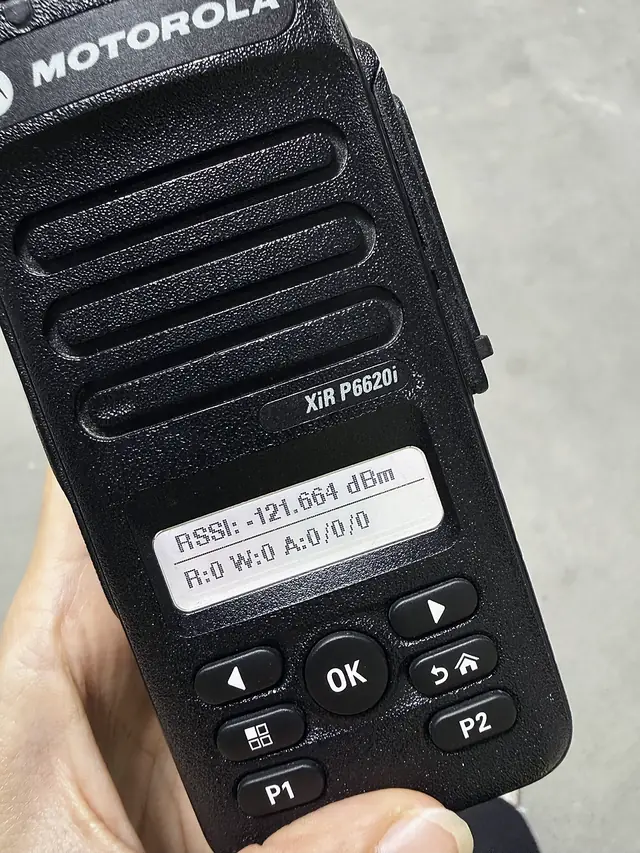
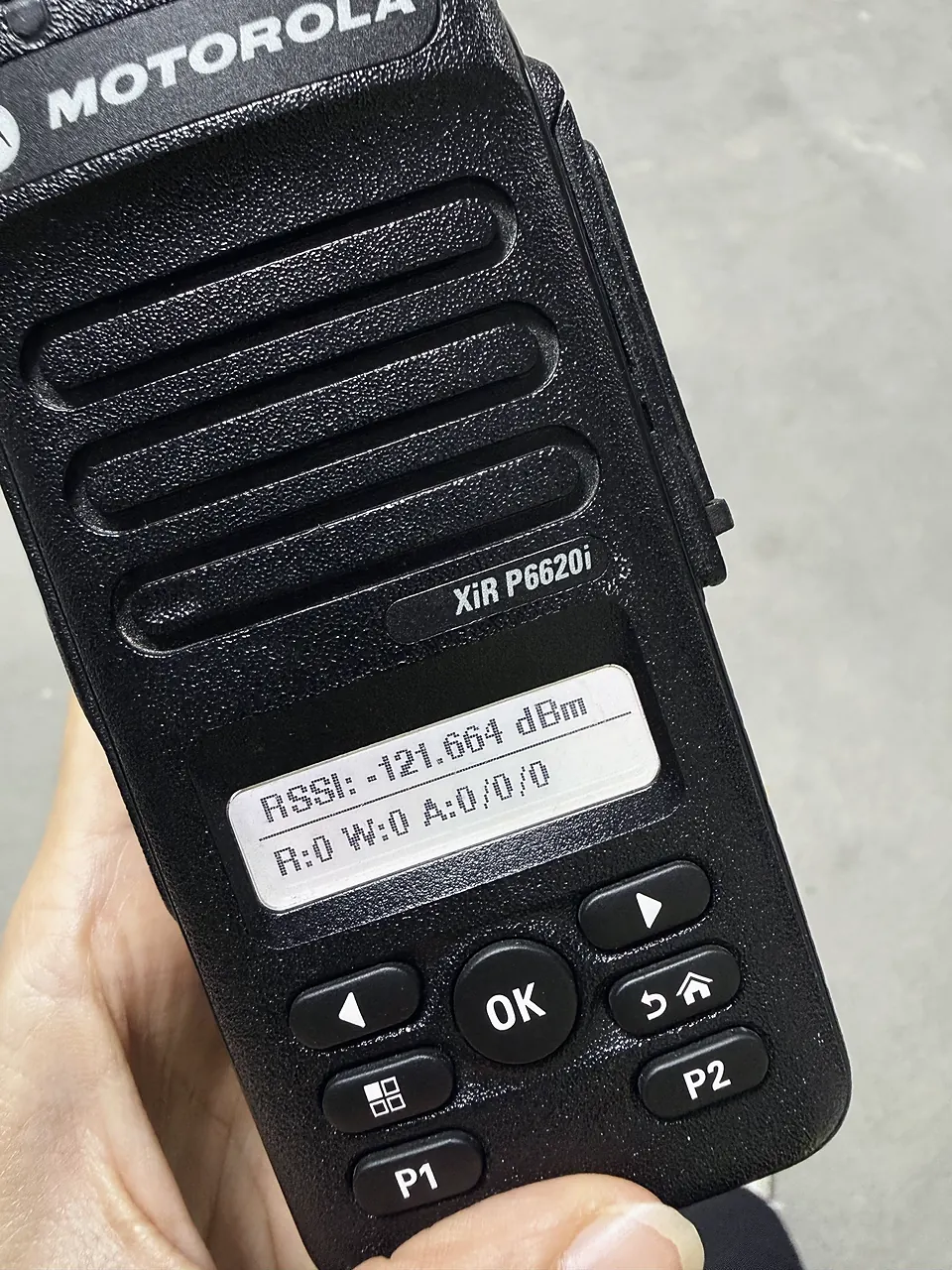
On a survey I put a radio into its test mode and walk the route the staff walk. The screen shows RSSI, the strength of the signal in dBm. The closer the number is to zero, the stronger the signal. The reading in this photo, about -121.7 dBm, is at the very edge of what the radio can still hear. At that level a call breaks up or never arrives. That is a dead spot, and now it has a number you can show your management.
Then I look at the riser itself
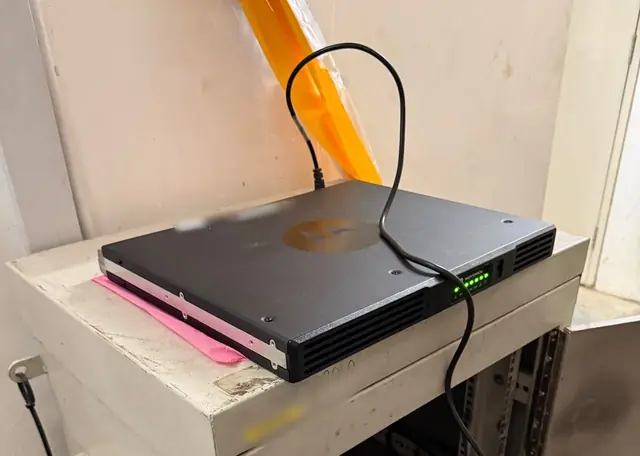
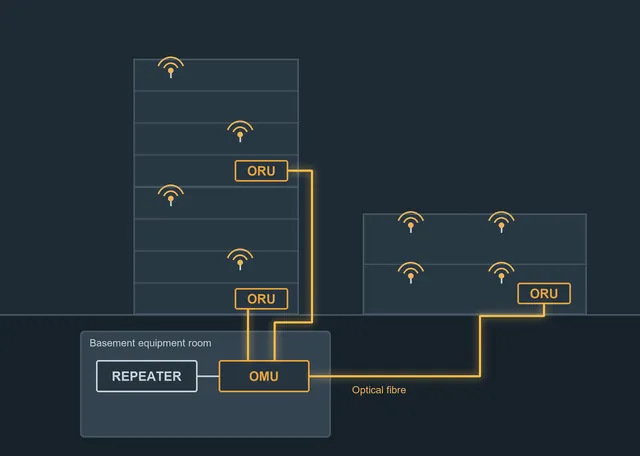
The riser is usually where a repeater, its cables and the antenna feeds would go up the building. So before I design anything, I check whether the room is fit to hold equipment for years.

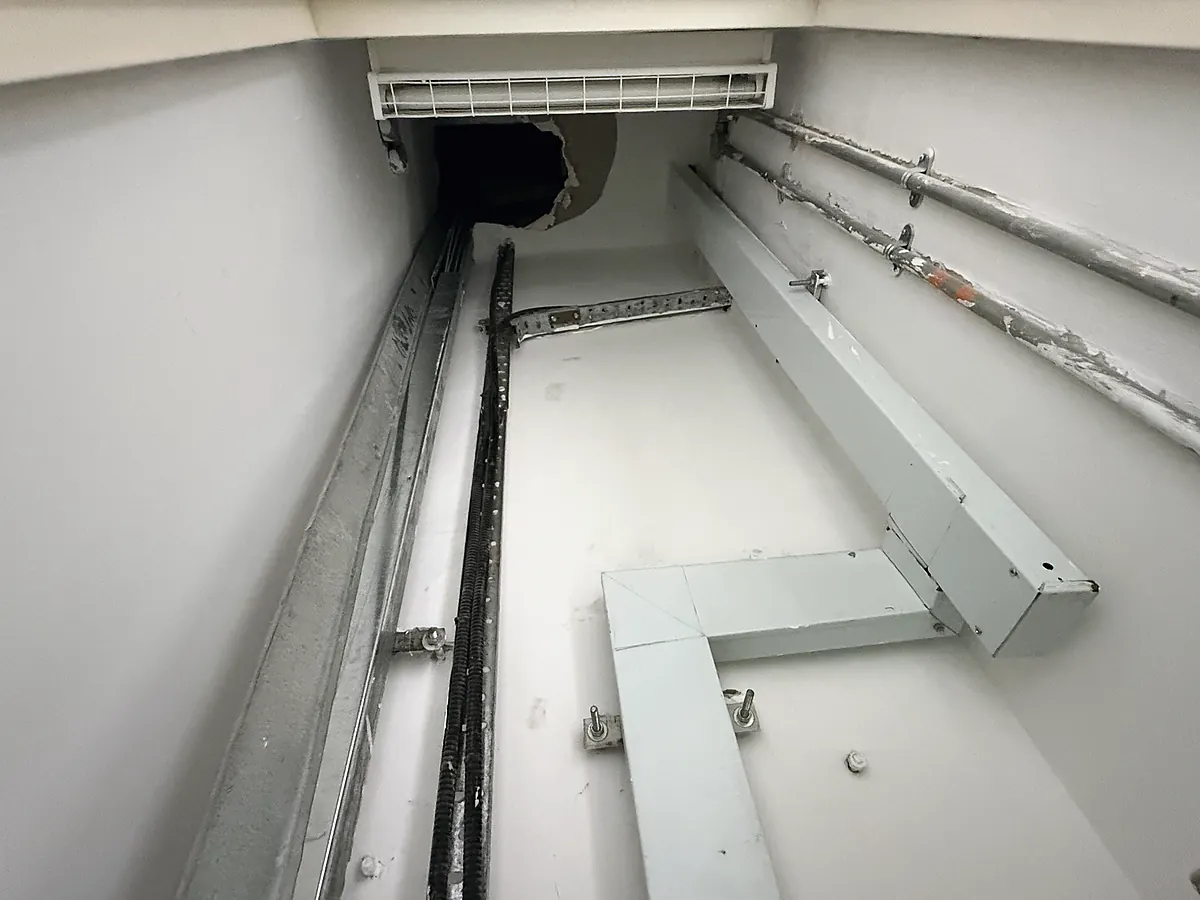
- Dust everywhere. This should not happen in a room that holds equipment. Dust on the floor and on the trays gets pulled into equipment fans, and a repeater that runs hot and dusty fails early. That is not the radio's fault, so it is the first thing I raise.
- Openings left open. A hole in the riser wall or ceiling where cables pass lets more dust in. Openings like this are normally meant to be sealed again after the cables go through.
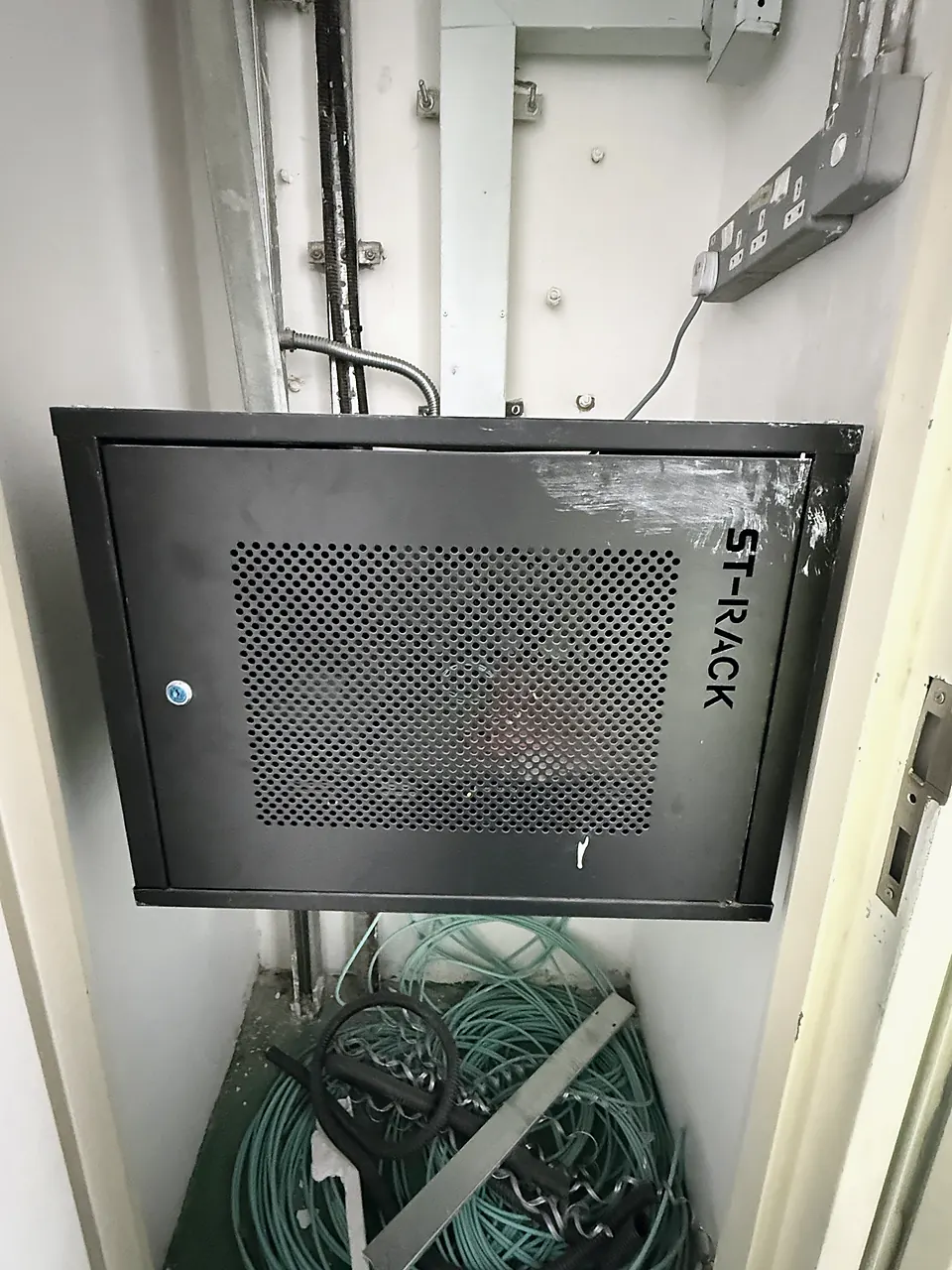
- Cable left lying on the floor. Spare cable coiled under a cabinet gets stepped on and collects dust. It belongs on a tray, or tied up off the floor.
- Power. Is there a proper socket close by, and is it on backup power? Without backup, the repeater goes off in a power cut, exactly when the team needs radios most.
- Space and access. Is there room on the wall or in a cabinet, and can the team get in for maintenance without waiting for keys every time?
Why this matters to you
A repeater is not a box you install and forget. It sits in that room for years. If the room is dusty, hot or open, the system gives trouble later and the radios get the blame. Cleaning up and sealing the room first costs far less than replacing equipment.
If your staff lose contact in the basement, the loading bay or back of house, send me the places that fail. In the Klang Valley the site test is free, and I will show you the readings, not just tell you.